Civil Engineering
About the Department
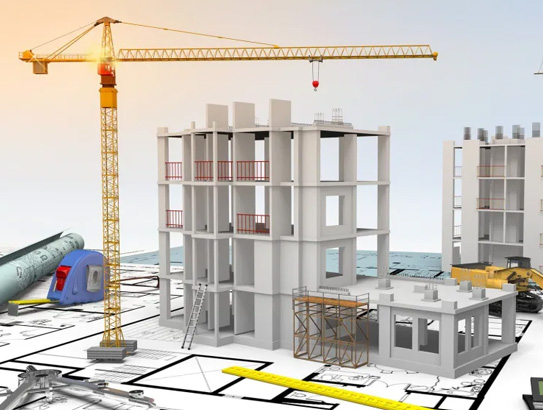
The Department of Civil Engineering at Merit Polytechnic College was established in 2011 with a mission to build a new generation of engineers capable of designing, developing, and managing modern infrastructure projects. As one of the oldest and most fundamental branches of engineering, Civil Engineering forms the backbone of civilization — from buildings, roads, and bridges to water systems and urban planning.
The department fosters innovation and excellence through a perfect blend of theoretical foundation and hands-on practical exposure. With a team of highly qualified and experienced faculty members, the department nurtures analytical skills, creativity, and a sense of social responsibility among students.
About the Course
The Diploma in Civil Engineering is a three-year program (plus direct Lateral Entry option to the second year) designed to impart a deep understanding of the principles and applications of structural design, construction management, surveying, geotechnical engineering, and environmental studies.
The course introduces students to modern engineering concepts, tools, and technologies used in the planning and execution of infrastructure projects. Emphasis is placed on sustainable development, cost-effective design, and real-world problem-solving that prepare students to meet the demands of the construction industry.




About the Curriculum
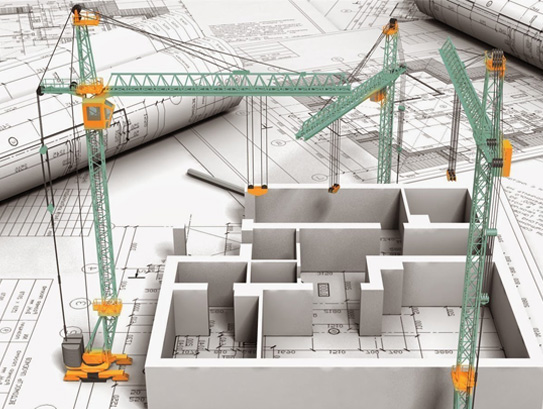
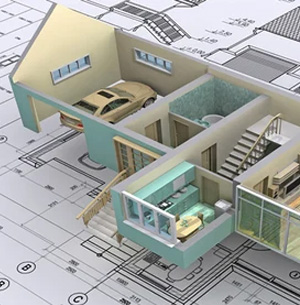
The curriculum, prescribed by the Directorate of Technical Education (DOTE), Chennai, covers a comprehensive set of theoretical and practical subjects spread across six semesters. It includes:
- Engineering Mathematics, Physics & Chemistry
- Surveying, Strength of Materials, and Structural Engineering
- Hydraulics, Fluid Mechanics, and Environmental Engineering
- Construction Practice, Building Materials, and Estimation & Costing
- Transportation, Geotechnical, and Irrigation Engineering
- Computer-Aided Design (AutoCAD & Total Station Surveying)
Deskot
Mission
- To provide quality technical education in Civil Engineering that equips students with practical skills and professional ethics.
- To promote research, innovation, and creativity in sustainable infrastructure development.
- To develop technically competent civil engineers who can serve society and contribute to national growth.
- To instill values of teamwork, leadership, and lifelong learning in every student.
Vision
The department houses fully equipped laboratories that conform to DOTE and AICTE standards, enabling students to gain first-hand practical experience in various areas of civil engineering. The major labs include:
About the Laboratories
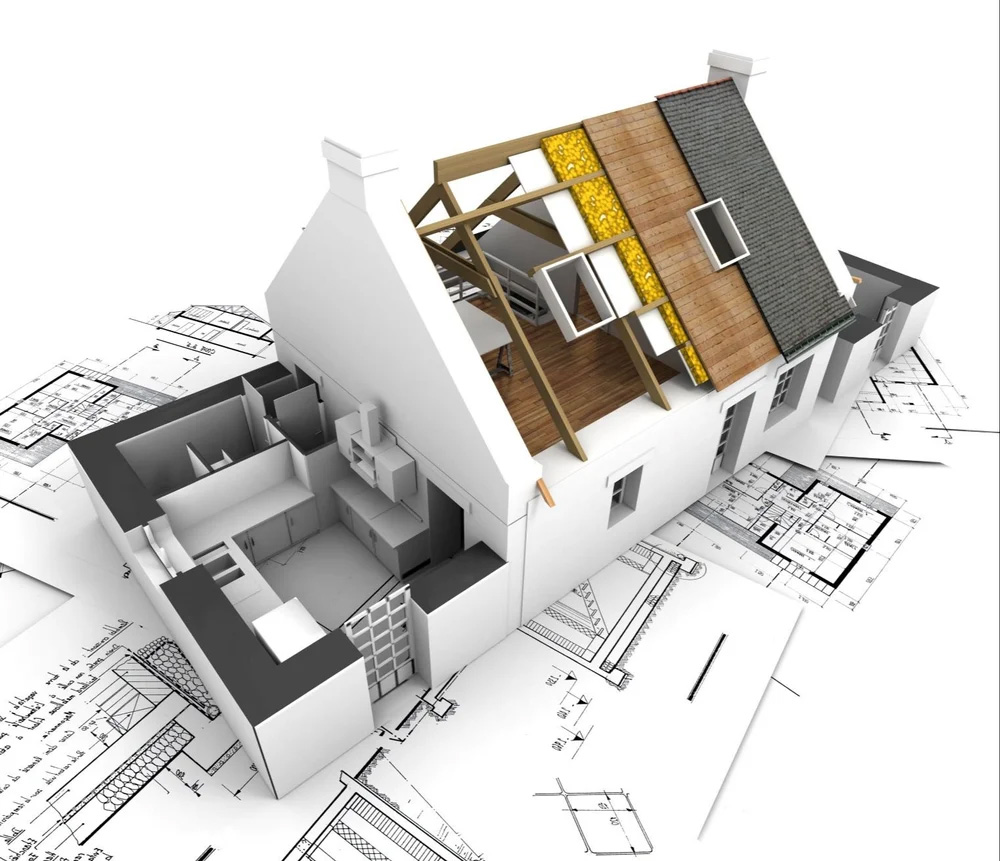
The department features advanced laboratories that meet DOTE and AICTE standards, providing students with excellent hands-on experience. Major labs include:
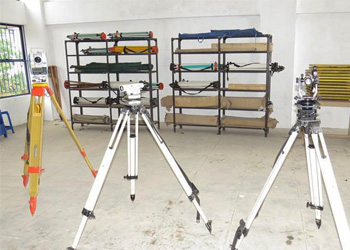
Survey Practice Lab
Training in Total Station, leveling, and contour mapping.
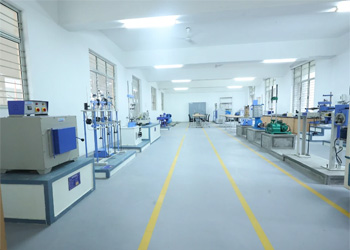
Material Testing Lab
Testing strength and quality of construction materials.
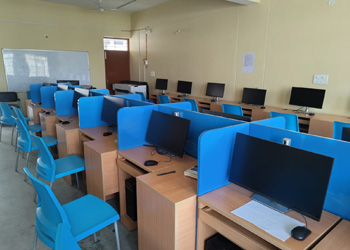
CAD Lab
Advanced AutoCAD and 3D modelling facilities.
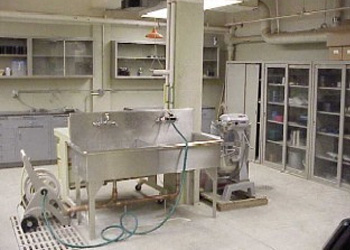
Construction Practice Lab
Hands-on training in brickwork, plastering, and concreting.
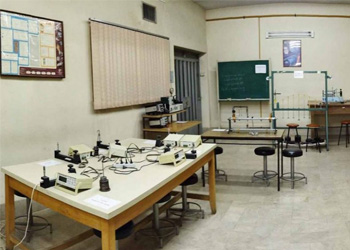
Strength of Materials Lab
Experiments on load, stress, and material behavior.
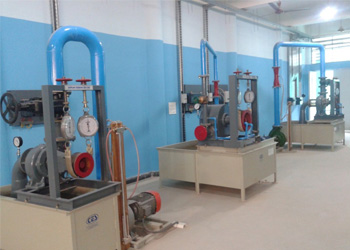
Fluid Mechanics & Hydraulics Lab
Testing principles of fluid flow and water systems.
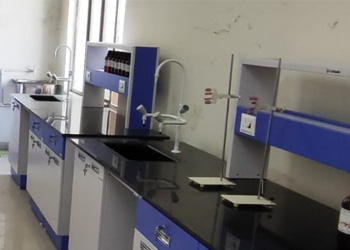
Plumbing & Environmental Lab
Training in sanitary systems and water analysis.
Career Opportunities
A Diploma in Civil Engineering opens up diverse career paths in both public and private sectors. Graduates can secure employment as:
- Junior Engineer / Site Supervisor in construction firms and government departments.
- Surveyor / CAD Technician in infrastructure development projects.
- Estimator / Quantity Surveyor in building and road construction companies.
- Project Assistant / Draftsman in architectural and structural consultancies.
- Entrepreneur / Contractor managing independent construction projects.
Higher education opportunities include B.E. / B.Tech in Civil Engineering, leading to careers in design, research, project management, and urban development.