Electronics & Communication Engineering (ECE)

About the Department
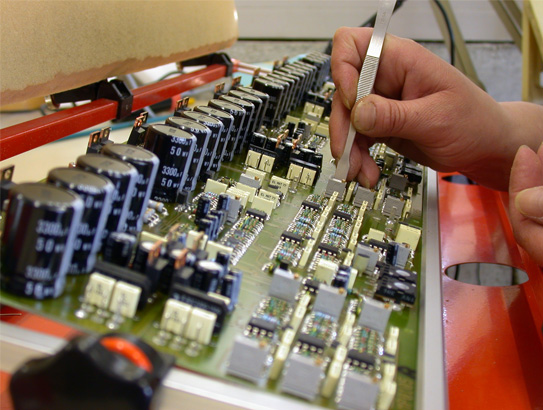
The Department of Electronics and Communication Engineering was established in 2011 with a goal to produce competent technologists who can design and innovate electronic systems for the modern world. The department combines strong theoretical knowledge with hands-on laboratory experience in electronics, communication, and embedded systems.
With highly qualified and dedicated faculty, the department emphasizes practical exposure, research orientation, and project-based learning. The ECE department plays a crucial role in shaping students into skilled professionals capable of adapting to emerging technologies such as IoT, Artificial Intelligence, and Digital Communication Systems.
About the Course
The Diploma in Electronics and Communication Engineering is a three-year program (with lateral entry to the second year) designed to impart a sound understanding of electronic devices, circuits, communication systems, and computer networks. This course equips students with knowledge and skills in designing, operating, and maintaining electronic systems used in telecommunications, automation, computing, and signal processing. Students are trained in software tools, microprocessor programming, and communication technologies that make them industry-ready engineers for both hardware and software domains.



About the Curriculum
The ECE curriculum, prescribed by the Directorate of Technical Education (DOTE), Chennai, is structured to meet the latest industry requirements. The key subjects covered include:
- Basic Electronics and Electronic Devices
- Digital Electronics and Microprocessors
- Analog and Digital Communication Systems
- Computer Networks and Embedded Systems
- VLSI Design and DSP (Digital Signal Processing)
- Industrial Automation and IoT Fundamentals
- Project Work and Industrial Training
Each semester integrates classroom teaching with laboratory experiments, mini-projects, and industry interaction programs that strengthen analytical and problem-solving skills.
Mission
- To provide quality technical education in the field of Electronics and Communication Engineering.
- To promote innovation, research, and entrepreneurship in emerging technologies.
- To develop skilled professionals with a strong sense of ethics, teamwork, and social responsibility.
- To collaborate with industries for advanced learning and practical exposure.
Vision
To be a leading centre of excellence in Electronics and Communication Engineering, fostering innovation, creativity, and technological advancement for the betterment of society and the nation.
About the Laboratories
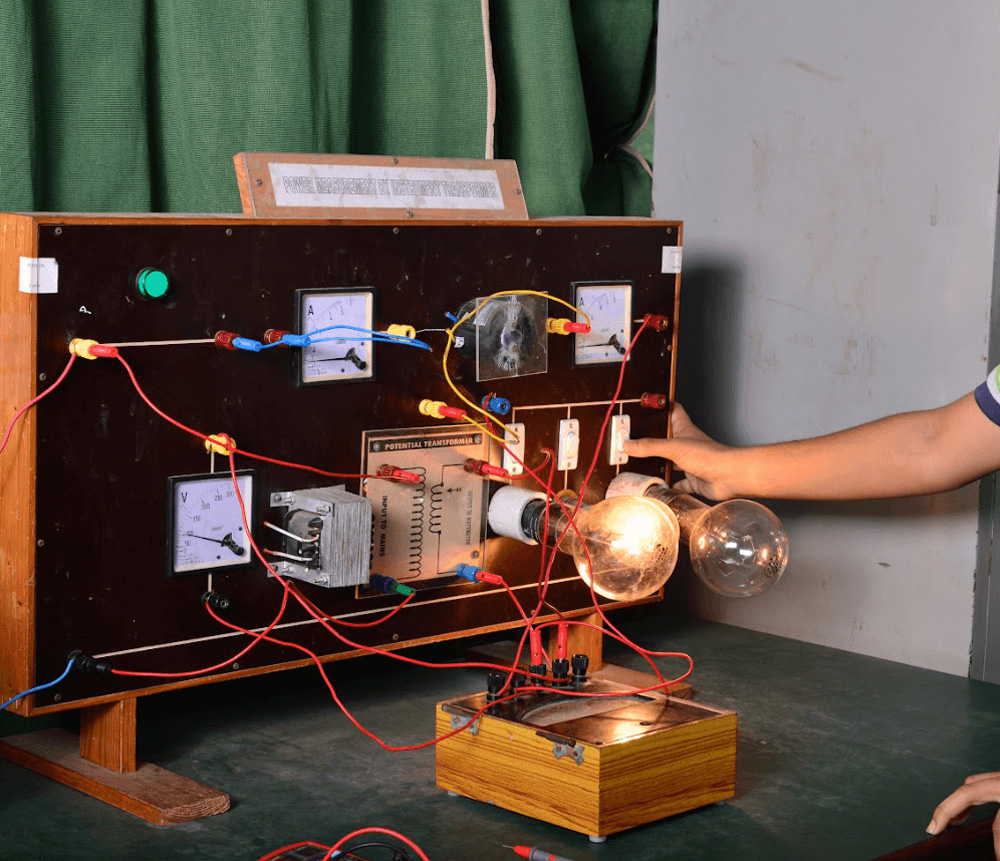
The ECE department maintains well-equipped laboratories that give students practical exposure to real-world applications of electronics and communication systems. Major labs include:
Electronic Devices and Circuits Lab
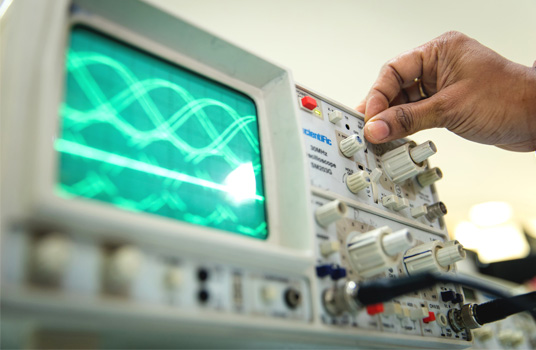
Hands-on experience in testing and analyzing electronic circuits.
Digital Electronics Lab
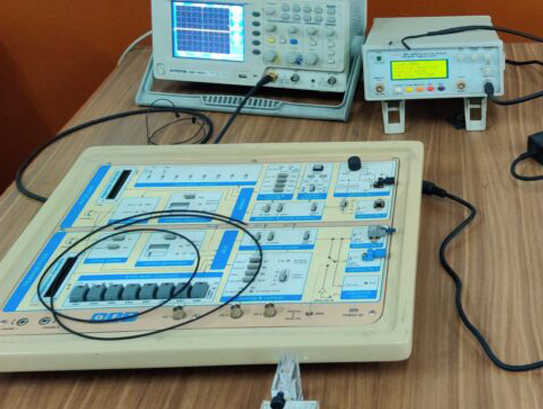
Logic design, digital circuit implementation, and simulation.
Communication Systems Lab
Training on modulation, demodulation, and transmission techniques.
Microprocessor and Microcontroller Lab
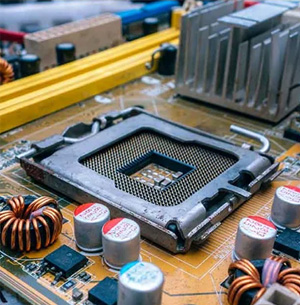
Programming and interfacing of processors for real-time applications.
VLSI and DSP Lab
Design and analysis of digital signal processing and chip-level systems.
Embedded Systems Lab
Development and testing of embedded hardware and software.
Industrial Automation Lab
Practical exposure to PLCs, sensors, and industrial control systems.
Career Opportunities
Electronics and Communication Engineers have vast career opportunities across multiple industries and sectors. Graduates can work as:
- Electronics Engineer / Communication Engineer in telecom and networking companies.
- Hardware Design Engineer / PCB Designer in manufacturing and R&D organizations.
- Embedded Systems Developer / IoT Engineer in automation and electronics firms.
- Network Support Engineer / Field Technician in IT and communication sectors.
- Service Engineer / Quality Analyst in electronic product industries.
- Entrepreneur / Contractor offering electronic servicing, installation, and automation solutions.
Students can pursue higher studies such as B.E./B.Tech. in Electronics and Communication Engineering or specialized fields like Embedded Systems, Robotics, and Artificial Intelligence for enhanced career growth.